
Start With a Route First Mindset
Before you even unzip your pack, get clear on where you’re going. Terrain, climate, and how you’re moving on foot, by bike, overland should shape every piece of gear you bring. Packing without a solid route plan is how you end up with five pairs of socks and no rain shell.
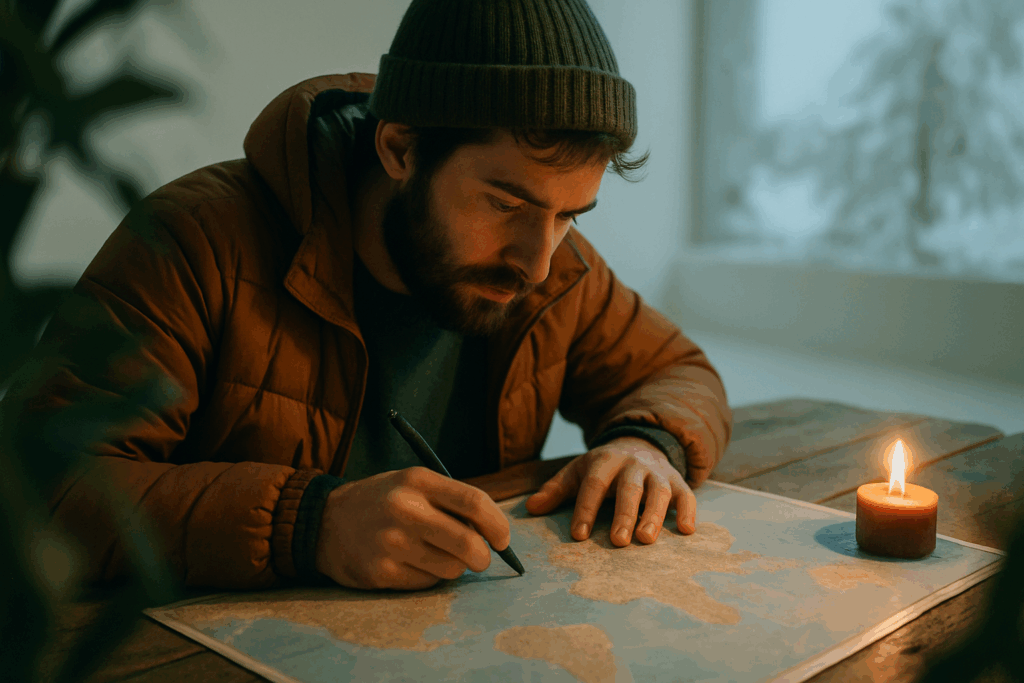
Grab your map. Mark the key points: elevation gains, river crossings, open exposures. These are the stress tests for your gear. Then check the weather patterns, not just general temps consider daily swings, sudden drops at altitude, or surprise storms.
Layering is your best friend. Mixed climates demand flexibility. A base layer, an insulator, and a wind/rain shell give you options without loading you down. Everything else is window dressing.
Need help reading your route like a pro? Here’s a solid breakdown of map usage instructions to get you moving smart.
Pack Light, Think Modular
Packing well for a map guided journey is about control and simplicity. Packing cubes and compression bags aren’t overkill they’re how you sort chaos. Clothing in one cube, tools in another, essentials tight and separate. That way, gear stays organized, and you know exactly where to reach when the weather shifts or your stove fails.
Next, aim for utility. A scarf that works as a towel, sunshade, or pillow saves space and weight. Same goes for gear multitaskers rule the bag. If it only does one thing, it better be essential.
And about those “just in case” items? Most of the time, they’re dead weight. Trust your prep and adjust on the road. Locals, fellow travelers, and a bit of grit often solve the problem better than an emergency gadget you’ll never touch. Pack smart, pack lean, move free.
Must Pack Gear for Map Based Travel
You don’t need much, just the right things. If you’re navigating by map, some gear is non negotiable.
Start with a waterproof map pouch or case. It’s not just about rain your map doesn’t stand a chance against sweat, river spray, or a spilled drink. Keep it dry, keep moving.
Next: a compass. Yes, your phone has GPS. But batteries die, signals drop, and tech fails when it matters most. Maps don’t need a signal. A basic compass plus a little know how keeps you out of trouble.
Ziplocks or small dry bags come in clutch if the weather turns ugly. Stash your map, ID, emergency cash anything paper based or battery powered that needs staying dry without bulk.
Last, bring a flashlight or headlamp. Whether you’re starting before sunrise or end up reading the map under moonlight, you need hands free, reliable light. Keep it light and simple. Extra batteries, just in case.
This isn’t luxury packing. These are tools to trust when the trail gets real.
Clothing Strategy That Matches the Map
Packing smart isn’t just about how much you bring it’s about what you bring based on where you’re going. Your map can tell you more than your destination; it can guide your clothing strategy too.
Match Your Wardrobe to the Route
Before you choose clothes, examine your map for:
Terrain type (forest, desert, coastal, mountainous)
Anticipated weather patterns along the way
Altitude changes or regions with rapid temperature shifts
Understanding these variables will help you prioritize layers, ventilation, and protection.
Choose Functional, Adaptable Fabrics
Build your outfit system from lightweight, durable materials that dry quickly and resist wear:
Merino wool or synthetic base layers keep you warm and wick moisture
Quick dry hiking pants or leggings easy to wash and rewear
Neutral tones blend into various terrains and reduce attention
These selections are practical for multiple settings and reduce your need for extra clothing.
Never Skip These Essentials
Even the most carefully packed traveler should prepare for the unexpected. Always include:
A full spare pair of socks dry feet are crucial for mobility and morale
One emergency warmth layer an ultralight down jacket or thermal pullover that compresses small
No matter the map, comfort and resilience start with how you dress for the journey.
Snacks, Hydration & Navigation Efficiency
Staying energized and hydrated on a map guided journey is about more than just packing food and water it’s about minimizing mess, maximizing space, and keeping yourself on track without backtracking.
Smart Snack Choices
When every stop counts, your snacks should support movement, not interrupt it. Choose foods that are high in energy and easy on your gear.
Go for no crumb options like nuts, dried fruit, or jerky
Avoid flaky or greasy items that could smudge or damage your map
Use resealable bags to keep snacks organized and fresh
Hydration Without Bulk
Keeping hydrated doesn’t have to mean carrying bulky bottles.
Use collapsible water bottles to save space when not in use
Consider a small water filter if you’re passing natural water sources
Plan for Efficient Pit Stops
Frequent detours can eat up time and energy. A well prepared map helps you travel smarter.
Mark rest stops, water refill points, and food stations in advance
Review your map for elevation changes and plan hydration around tough climbs
Add symbols or highlights to avoid second guessing on the trail
Mapping out your food and water game plan keeps you moving forward well fed, well hydrated, and focused on the journey ahead.
Final Checks Before You Head Out
Before you lock in your first waypoint, run a dry pack test. This means throwing everything into your bag, strapping it on, and walking for at least 20 minutes. Pay attention to hot spots on your shoulders or hips. Adjust straps, redistribute weight, and cut anything that pokes or dangles. If it’s uncomfortable now, it’ll be miserable later.
Next, take a few minutes to crosscheck your map’s key with your personal notes. Maybe it’s elevation landmarks, trail junctions, or water points make sure your annotations line up, and calculate rough daily distances. No guesswork once you’re on foot.
Finally, don’t rely on a single map. Make a backup either a printed copy stashed in a waterproof sleeve or an offline digital version on your phone. Even the best battery dies eventually.
New to printed or digital maps? Walk in prepared. Here’s a detailed, friendly guide to getting the most out of your map.
 Ask Joseph Justusavos how they got into maps and navigation tools and you'll probably get a longer answer than you expected. The short version: Joseph started doing it, got genuinely hooked, and at some point realized they had accumulated enough hard-won knowledge that it would be a waste not to share it. So they started writing.
What makes Joseph worth reading is that they skips the obvious stuff. Nobody needs another surface-level take on Maps and Navigation Tools, Travel Guides and Tips, Destination Highlights. What readers actually want is the nuance — the part that only becomes clear after you've made a few mistakes and figured out why. That's the territory Joseph operates in. The writing is direct, occasionally blunt, and always built around what's actually true rather than what sounds good in an article. They has little patience for filler, which means they's pieces tend to be denser with real information than the average post on the same subject.
Joseph doesn't write to impress anyone. They writes because they has things to say that they genuinely thinks people should hear. That motivation — basic as it sounds — produces something noticeably different from content written for clicks or word count. Readers pick up on it. The comments on Joseph's work tend to reflect that.
Ask Joseph Justusavos how they got into maps and navigation tools and you'll probably get a longer answer than you expected. The short version: Joseph started doing it, got genuinely hooked, and at some point realized they had accumulated enough hard-won knowledge that it would be a waste not to share it. So they started writing.
What makes Joseph worth reading is that they skips the obvious stuff. Nobody needs another surface-level take on Maps and Navigation Tools, Travel Guides and Tips, Destination Highlights. What readers actually want is the nuance — the part that only becomes clear after you've made a few mistakes and figured out why. That's the territory Joseph operates in. The writing is direct, occasionally blunt, and always built around what's actually true rather than what sounds good in an article. They has little patience for filler, which means they's pieces tend to be denser with real information than the average post on the same subject.
Joseph doesn't write to impress anyone. They writes because they has things to say that they genuinely thinks people should hear. That motivation — basic as it sounds — produces something noticeably different from content written for clicks or word count. Readers pick up on it. The comments on Joseph's work tend to reflect that.