
When to Go and Why Timing Matters
Choosing the right time to visit Kyoto can make the difference between an overwhelming trip and an unforgettable one. The city’s seasons deeply influence its mood, crowd levels, and the kind of cultural experiences you’ll have access to.
Ideal Travel Seasons
Kyoto’s beauty peaks during two specific times of year:
Spring (Late March to Early April)
This is cherry blossom season. Kyoto transforms into a pastel wonderland, with sakura trees lining rivers and temple paths. Popular hanami (flower viewing) spots include Maruyama Park, the Philosopher’s Path, and Heian Shrine.
Autumn (Mid November to Early December)
The city’s temples and gardens glow with deep reds, golds, and oranges. Foliage season offers cooler temperatures and stunning photo opportunities, especially at places like Tofuku ji Temple and Eikan do.
Unique Events Worth Planning Around
If you enjoy cultural immersion, these events bring Kyoto to life:
Gion Matsuri (July)
Kyoto’s most famous festival features ornate floats, traditional costumes, and community pride. Events run throughout July, but the biggest parades happen mid month.
Hanatouro Light Festival
Held in two seasons:
March (Higashiyama District)
Lantern lit streets and illuminated temples create an enchanting nighttime stroll.
December (Arashiyama District)
Bamboo groves and riverside paths glow with seasonal magic.
Tips to Avoid the Crowds
Kyoto is no longer a well kept secret. To navigate the crowds:
Visit major sites early in the morning especially popular temples like Fushimi Inari or Kiyomizu dera.
Travel midweek instead of weekends for a quieter atmosphere.
Stay in less tourist heavy neighborhoods like Demachiyanagi or Kuramaguchi.
Explore during the shoulder seasons late May or early October still offer great weather without the festival rush.
Smart planning can help you experience the best of Kyoto’s culture and nature while still enjoying moments of peace and authenticity.
Must See Historic Spots You Actually Want to Visit
Kyoto has no shortage of postcard perfect temples and shrines, but some are more than checkboxes on a tourist map. If you’re going to cover the highlights, do them right.
Kiyomizu Dera sits perched on a hillside with a wooden terrace that stretches out like a cliff edge view over the city. Yes, it gets crowded. Yes, it’s worth it. But don’t stop at the photo op explore the tucked away Jishu Shrine behind the main hall for a slice of local love lore and a quieter vibe. The side paths are less packed and pulse with stillness.
Fushimi Inari Shrine is Instagram famous for a reason. The first hundred torii gates are stunning but swamped. Go further. Hike up the full mountain trail (about 2 hours round trip) and you’ll find lush forest, smaller shrines, soft silence and no tour groups.
Arashiyama Bamboo Grove is beautiful but chaotic if you mistime it. Sunrise is your best shot at wandering through the towering stalks without someone’s tripod in your frame. Pair the grove with a visit to nearby Tenryu ji Temple or stroll the riverbank for a calmer energy.
Kyoto Imperial Palace gives you the formal face of Kyoto, once home to emperors, with clean lines and broad gravel paths. Book the free guided tour it’s the only way to get context beyond the architecture. Not far off, Nijo Castle brings a different vibe. You’ll walk real shogun halls and hear squeaking “nightingale floors” designed to combat ninja intruders. History feels oddly alive in the hush.
Where Culture Comes to Life
Tea Ceremonies: Where to Book the Most Authentic Experience
For a proper tea ceremony that isn’t just a photo opportunity, head to Camellia Flower Teahouse near Kiyomizu dera. Tucked away from the chaos, it’s intimate, thoughtful, and run by practitioners who live and breathe the Way of Tea. You’ll learn the rituals, the meanings, and actually drink real matcha no vending machine dust here. Another good pick is En in Gion, which offers private, English friendly sessions packed with cultural depth, not fluff.
Avoid any place offering “samurai + tea + ninja + cosplay” combos. If it sounds like a variety show, that’s probably what you’ll get.
Kimono Rentals: How to Do It Without Looking Like a Confused Tourist
Yes, renting a kimono is fine. Yes, locals mostly support it when done respectfully. But there’s a line between fitting in and looking like you wandered off a costume set. Go for simple, seasonal patterns avoid neon or over the top floral prints unless you’re attending a festival. Places like Yumeyakata and Okamoto Kimono have solid reputations for helping you dress well and understand how to wear everything correctly, from obi to footwear.
Stick to Gion or Higashiyama for your strolls they’re the most photogenic zones and where traditional attire blends in best.
Local Etiquette 101: Dos, Don’ts, and How to Bow Right
Do: Bow at about a 15 degree angle for casual thanks; more for formal settings. Take your shoes off indoors unless told otherwise. Speak softly in public, especially on trains. Bring a small gift if invited into someone’s home.
Don’t: Eat while walking. Skip the loud phone calls. And don’t stick your chopsticks upright in rice it’s reserved for funerals.
Last rule? Watch before you act. Kyoto culture isn’t about rushing. If you’re unsure, hang back, observe, then move with purpose.
Local Eats Worth the Hype
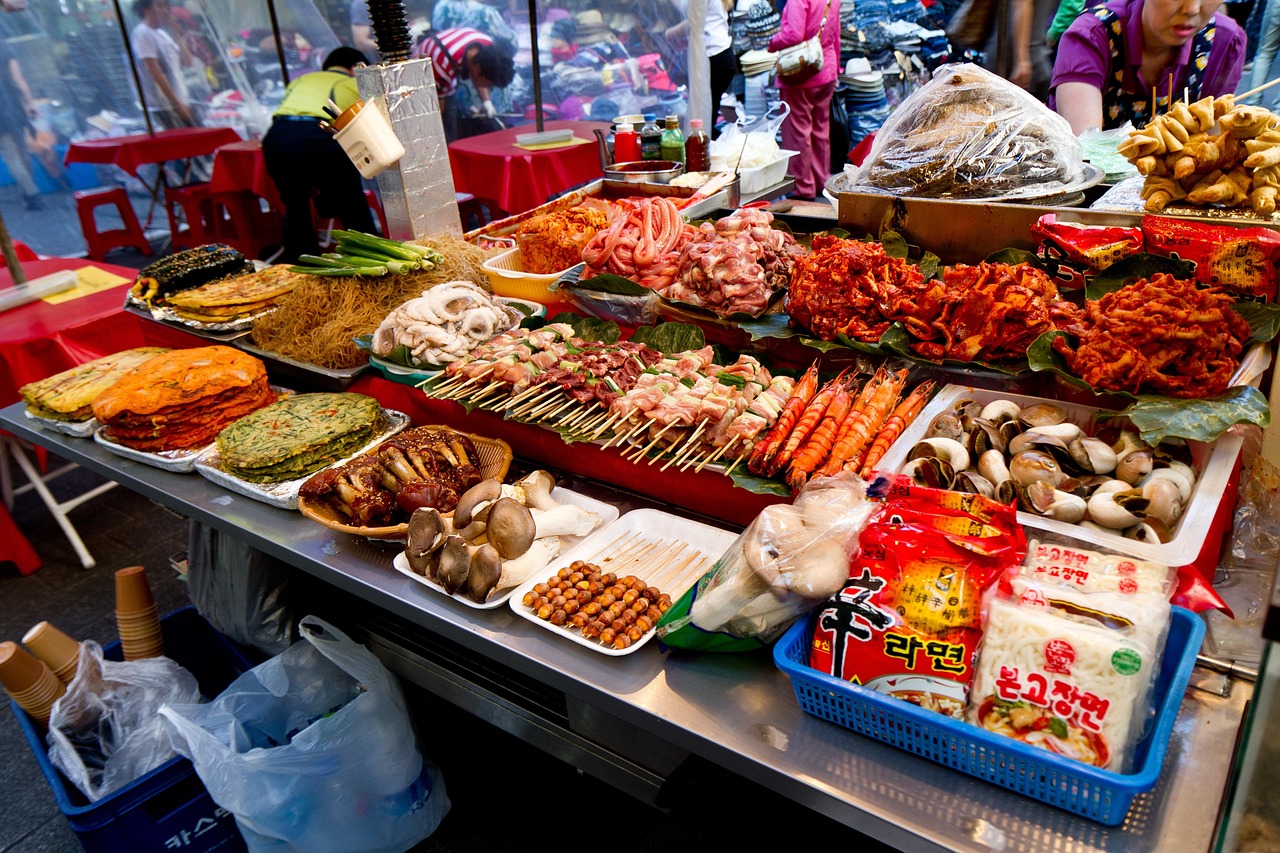
Kyoto doesn’t shout about its food scene but it should. You’ll find spots that punch far above their weight, especially when it comes to ramen and izakayas. For ramen, skip the tourist packed main streets and duck into quiet corners. Locals swear by Kyoto Gogyo for its smoky, burnt miso ramen it’s rich, a little aggressive, and unforgettable. Honke Daiichi Asahi near Kyoto Station is another no frills institution. Lines move fast, and that soy based broth hits hard.
If you’re after sake and small plates, izakayas like Yoramu or Ichiya serve up an atmosphere that feels more like someone’s living room than a commercial bar. The focus is on seasonal, ultra fresh ingredients. Don’t worry if the menu’s in Japanese pointing works just fine, and staff are used to navigating the language gap.
Then there’s Nishiki Market. Yes, it gets crowded. Yes, it’s worth it. Think of it as a street food sampler with 400 years of history baked in. Go light on breakfast and sample your way slowly grilled mochi sticks, tamago on a skewer, sesame dumplings, and fresh yuba (tofu skin) are all musts. Timing matters: aim for late morning on weekdays to dodge the bigger crowds.
And for the plant based crowd: Kyoto is better than you think. Shojin ryori, the traditional Buddhist temple cuisine, is entirely vegan and incredibly flavorful. Places like Shigetsu (inside Tenryu ji Temple) or Ain Soph offer a fully thoughtful, meat free experience without feeling like an afterthought. Even mainstream ramen shops like TowZen do rich vegan broths with zero compromise.
The key? Eat local, ask questions, and don’t be afraid to wander into something unexpected. That’s where Kyoto’s food culture really lives.
Day Trips That Absolutely Pay Off
Less than an hour from Kyoto, three very different destinations serve up totally worthwhile detours.
Uji flies under the radar, but if you’re into matcha or even mildly curious this is where you go deep. It’s the birthplace of Japan’s ceremonial grade green tea, and every café, shop, and even the soba noodles seem infused with it. Stop by Taihoan for a tea ceremony that doesn’t feel staged. It’s calm, green, and weirdly addictive.
Nara is all about quiet power and deer that bow. Literally. You come for Todai ji’s great Buddha and centuries old temples, but staying a little longer lets you walk tree lined paths without the crowds. Feed the deer some crackers they’ll bow in exchange and you’ll feel like you stepped into a Miyazaki film.
Osaka is something else entirely. It’s loud, fast, and hungry. Hop a 30 minute train down and land in a street food frenzy takoyaki, okonomiyaki, kushikatsu. Local neighborhoods like Shinsekai make Kyoto look quiet (because it is). It’s a sharp contrast, but that’s the point. You come back to Kyoto appreciating its stillness even more.
For the Travelers Who Like to Dig Deeper
Kyoto’s pulse isn’t only felt at the headline shrines or through the flashes of cameras at Arashiyama. The real soul of the city is quieter slower. Wander east of Tofuku ji to find Komyo in, a pocket sized Zen garden that rarely sees crowds. Head northwest of the Philosopher’s Path and you’ll land at Honen in, moss covered and nearly always hushed. These aren’t the places you’ll find on Instagram carousels. They don’t try to impress. They simply are and that’s the appeal.
Getting around Kyoto like a local isn’t hard, if you’re willing to ditch the taxi lines. Trains are efficient, but the real joy is cycling past the Kamogawa River or down narrow backstreets lined with wooden machiya houses. Rent a gear shifted bike. Keep left. And don’t rush it defeats the point.
Now, if you’re looking to widen the frame of your trip, pair Kyoto’s subtle grace with Patagonia’s unapologetic wild. The contrast is powerful. One offers peace in a temple courtyard; the other hands you windburn at the foot of a glacier. But together, they create a journey that’s both introspective and full throttle. Culture, nature, stillness, motion all in one trip.
More on that rugged half of the itinerary? Read Why Patagonia Should Be on Every Adventurer’s Bucket List.
Smart Travel Tips in 2026
Kyoto might be steeped in history, but navigating the city in 2026 is a modern puzzle that’s easier to solve with the right tech and local know how.
Let’s start with apps. For real time transit, don’t overthink it Navitime and Google Maps both get the job done. Navitime edges ahead for Japan specific routes, like figuring out which train car to board for the fastest exit or whether your IC card will work on a rural line. Hyperdia used to be the gold standard, but it’s faded into semi retirement. For translation, Google Translate covers basics fine, but DeepL is increasingly the go to for context sensitive phrases, especially menus and signs. Don’t expect perfection, but if you’re polite and try, locals meet you halfway.
Next up: Where to crash. Airbnb covers the modern, self catering angle, ideal for travelers who want a washer, kitchen, and the option to disappear. But ryokan stays are still the soul of Kyoto lodging. These traditional inns slow things down tatami floors, elaborate dinners you’ll never pronounce correctly, and that silent stare from the innkeeper when you forget to remove your shoes. Choose a ryokan if you want the full cultural immersion (and are okay sharing bathwater, kind of literally).
Finally, money. Japan has warmed up to cards, especially major stations, convenience stores, and chain restaurants. But many mom and pop shops, temples, and even some ryokan still run on cash. IC cards (like Suica or ICOCA) now bridge the gap a bit they work for transit, vending machines, and more spots than you’d expect. Still, bring yen. When in doubt, use cash. When not, tap and go. Simple.
Traveling smart in Kyoto isn’t about overplanning it’s about syncing up with how the city already works. A few good apps, the right bed for your style, and cash in your pocket go a long way.
 Ask Joseph Justusavos how they got into maps and navigation tools and you'll probably get a longer answer than you expected. The short version: Joseph started doing it, got genuinely hooked, and at some point realized they had accumulated enough hard-won knowledge that it would be a waste not to share it. So they started writing.
What makes Joseph worth reading is that they skips the obvious stuff. Nobody needs another surface-level take on Maps and Navigation Tools, Travel Guides and Tips, Destination Highlights. What readers actually want is the nuance — the part that only becomes clear after you've made a few mistakes and figured out why. That's the territory Joseph operates in. The writing is direct, occasionally blunt, and always built around what's actually true rather than what sounds good in an article. They has little patience for filler, which means they's pieces tend to be denser with real information than the average post on the same subject.
Joseph doesn't write to impress anyone. They writes because they has things to say that they genuinely thinks people should hear. That motivation — basic as it sounds — produces something noticeably different from content written for clicks or word count. Readers pick up on it. The comments on Joseph's work tend to reflect that.
Ask Joseph Justusavos how they got into maps and navigation tools and you'll probably get a longer answer than you expected. The short version: Joseph started doing it, got genuinely hooked, and at some point realized they had accumulated enough hard-won knowledge that it would be a waste not to share it. So they started writing.
What makes Joseph worth reading is that they skips the obvious stuff. Nobody needs another surface-level take on Maps and Navigation Tools, Travel Guides and Tips, Destination Highlights. What readers actually want is the nuance — the part that only becomes clear after you've made a few mistakes and figured out why. That's the territory Joseph operates in. The writing is direct, occasionally blunt, and always built around what's actually true rather than what sounds good in an article. They has little patience for filler, which means they's pieces tend to be denser with real information than the average post on the same subject.
Joseph doesn't write to impress anyone. They writes because they has things to say that they genuinely thinks people should hear. That motivation — basic as it sounds — produces something noticeably different from content written for clicks or word count. Readers pick up on it. The comments on Joseph's work tend to reflect that.