
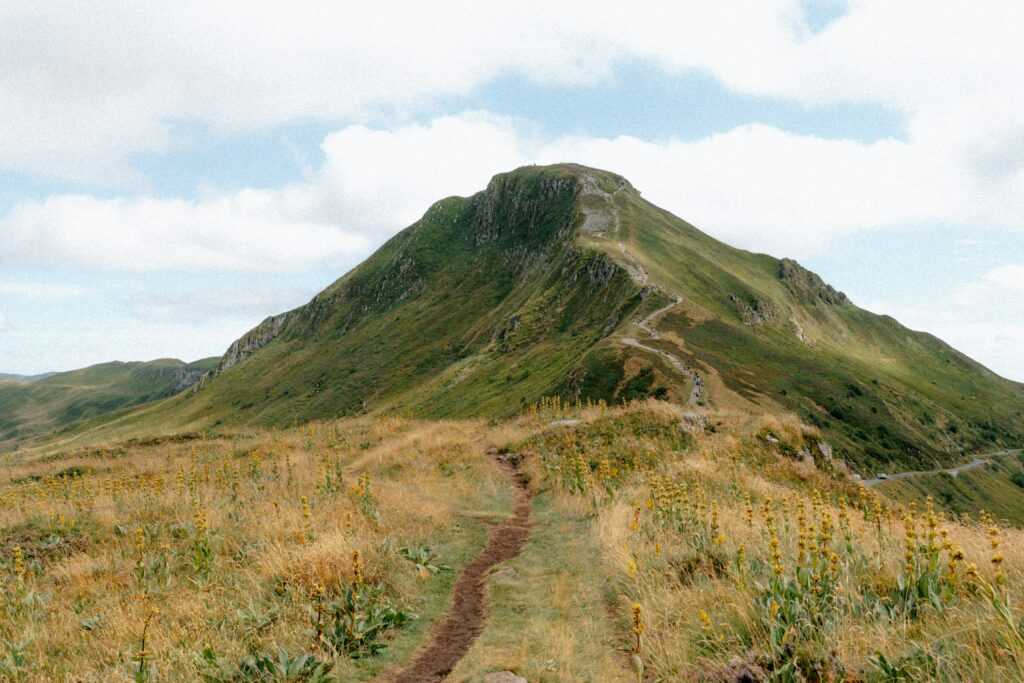
Leveling Up Your Trek Routes
In 2024, more hikers are chasing the edge not just elevation wise, but in terms of grit. The rise in adventure focused travel and remote work lifestyles has fueled a new wave of thrill seekers trading leisure strolls for gut check trails. These aren’t your typical day hikes. They’re multi day, GPS mandatory treks across rugged terrain where cell signal barely exists. Why? Because ordinary doesn’t stay with you. But a narrow ridgeline at 10,000 feet with nothing but clouds below? That sticks.
A hike becomes unforgettable when it hits three marks: unruly terrain, a killer view, and a level of difficulty that demands full attention. It’s not just cardio it’s problem solving, exposure, and adaptation in real time. You’re dodging rockfall, crossing glacial rivers, climbing with your hands when the trail vanishes. It’s physical. It’s mental. There’s no pause button.
But thrill doesn’t mean reckless. Prep matters. For high risk routes, it starts with knowing the weather patterns, mapping backups, and carrying basic survival supplies: water filter, high calorie pack food, satellite beacon, thermal layers. Lightweight doesn’t mean under equipped. Know your limits. And more importantly, respect the terrain. Out here, ego won’t get you far but smart planning will get you back.
High risk hikes are more popular than ever, but they demand more from you in return. Give them the respect they deserve, and the memories will be worth every burning muscle.
Mount Huashan China
This isn’t your weekend nature walk. Mount Huashan throws you into vertical reality with cliffside plank paths, chain harnesses, and eye watering drop offs. The trail doesn’t just test your legs it tests your nerve. Known as the “world’s most dangerous hike,” it’s less about distance and more about sheer exposure. You’ll climb metal stairs bolted into the rock, shuffle sideways across narrow wooden boards suspended above the clouds, and hang tight to chains when the wind picks up.
Don’t be fooled by the souvenirs sold at the base this hike is serious business. Altitude and weather can shift in minutes, and safety gear isn’t optional. If you’re not comfortable trusting your life to a carabiner, this isn’t your trail. Mount Huashan is a masterclass in focus and respect for the mountain. Come prepared, both mentally and physically. Leave your ego at the parking lot or it won’t be the only thing falling.
Gear Up Like a Pro

Don’t lug a 50 pound pack up a mountain every ounce counts. The new standard is ultra light gear built for stamina. Look for packs under 3 lbs that distribute weight cleanly across your center of gravity. Add in high grip boots that lock into uneven terrain without killing your arches. Bonus points if they’re waterproof and breathable. And unless you want to risk drinking from a suspect stream, a portable water filtration system (straw or pump style) is non negotiable.
Tech gear matters, too. Cell signal dies fast in remote zones, so a GPS device with offline topographic maps should be in every serious hiker’s kit. Apps are fine backups, but they won’t save you when batteries run dry or service drops to zero. Invest like your safety depends on it because it does.
Before you step onto the trail, do a systems check. Inform someone of your route and return date. Run your gear through a dry test does everything actually work? Pack extra food, a satellite communication device if you’re going remote, and a basic med kit. You won’t need it until you really need it.
This isn’t overkill. It’s just smart hiking.
Planning Makes the Difference
Timing isn’t just a comfort thing it’s survival and sanity. Picking the right month for a high altitude or remote trail can mean the difference between clear switchbacks and snowed out ledges. Research the local climate, especially shoulder seasons. These often offer better weather with fewer crowds.
Daylight is another key factor. Some of the trails on this list stretch over long distances or rugged terrain. That means early starts and plenty of margin before dusk. Don’t get caught halfway through a traverse with failing light and no safe place to stop. Build in buffer days wherever possible.
As for the tourist mobs skip them. Learn when high flow dates hit (usually summer weekends, major holidays, or peak Instagram seasons). Shift your schedule by a few weeks in either direction. The trail stays the same, but the experience changes entirely when it’s quiet.
For a smarter plan, lock in your route with a solid visual overview. Use this trail planning guide to map distances, checkpoints, and backup routes. The better your plan, the more room you’ll have for awe and that’s the point.
Final Take: Smarter Hiking for Bigger Thrills
Hike Smarter, Not Just Harder
When it comes to high impact hiking, smarter prep always beats brute force. Challenging hikes demand more than physical fitness they reward those who plan well, understand the terrain, and adjust their strategy based on real world conditions.
Study the route thoroughly before committing
Know your limits and those of your gear
Prep for weather shifts, limited access, and emergency contingencies
Preparation Fuels the Adventure
The true thrill of extreme hiking doesn’t just come from jagged cliffs or remote wilderness it starts with detailed planning. A successful trek is one that feels exhilarating, not overwhelming or unsafe.
Understand trail difficulty using verified sources
Pack based on terrain, climate, and altitude
Share your route with someone before setting off
Use the Right Tools
For a premium hiking experience, lean on resources that offer precision and real time updates. Proper guides save time, reduce risk, and make your journey more rewarding from the first mile to the last.
Get expert insights from vetted sources
Download offline maps and trail data
Use a guide like this one to plan smarter: trail planning guide
Bottom line: The wildest hikes are within reach when you hike intentionally, you hike better.
 Jesseviell Truong writes the kind of travel guides and tips content that people actually send to each other. Not because it's flashy or controversial, but because it's the sort of thing where you read it and immediately think of three people who need to see it. Jesseviell has a talent for identifying the questions that a lot of people have but haven't quite figured out how to articulate yet — and then answering them properly.
They covers a lot of ground: Travel Guides and Tips, Adventure Travel Ideas, Destination Highlights, and plenty of adjacent territory that doesn't always get treated with the same seriousness. The consistency across all of it is a certain kind of respect for the reader. Jesseviell doesn't assume people are stupid, and they doesn't assume they know everything either. They writes for someone who is genuinely trying to figure something out — because that's usually who's actually reading. That assumption shapes everything from how they structures an explanation to how much background they includes before getting to the point.
Beyond the practical stuff, there's something in Jesseviell's writing that reflects a real investment in the subject — not performed enthusiasm, but the kind of sustained interest that produces insight over time. They has been paying attention to travel guides and tips long enough that they notices things a more casual observer would miss. That depth shows up in the work in ways that are hard to fake.
Jesseviell Truong writes the kind of travel guides and tips content that people actually send to each other. Not because it's flashy or controversial, but because it's the sort of thing where you read it and immediately think of three people who need to see it. Jesseviell has a talent for identifying the questions that a lot of people have but haven't quite figured out how to articulate yet — and then answering them properly.
They covers a lot of ground: Travel Guides and Tips, Adventure Travel Ideas, Destination Highlights, and plenty of adjacent territory that doesn't always get treated with the same seriousness. The consistency across all of it is a certain kind of respect for the reader. Jesseviell doesn't assume people are stupid, and they doesn't assume they know everything either. They writes for someone who is genuinely trying to figure something out — because that's usually who's actually reading. That assumption shapes everything from how they structures an explanation to how much background they includes before getting to the point.
Beyond the practical stuff, there's something in Jesseviell's writing that reflects a real investment in the subject — not performed enthusiasm, but the kind of sustained interest that produces insight over time. They has been paying attention to travel guides and tips long enough that they notices things a more casual observer would miss. That depth shows up in the work in ways that are hard to fake.