
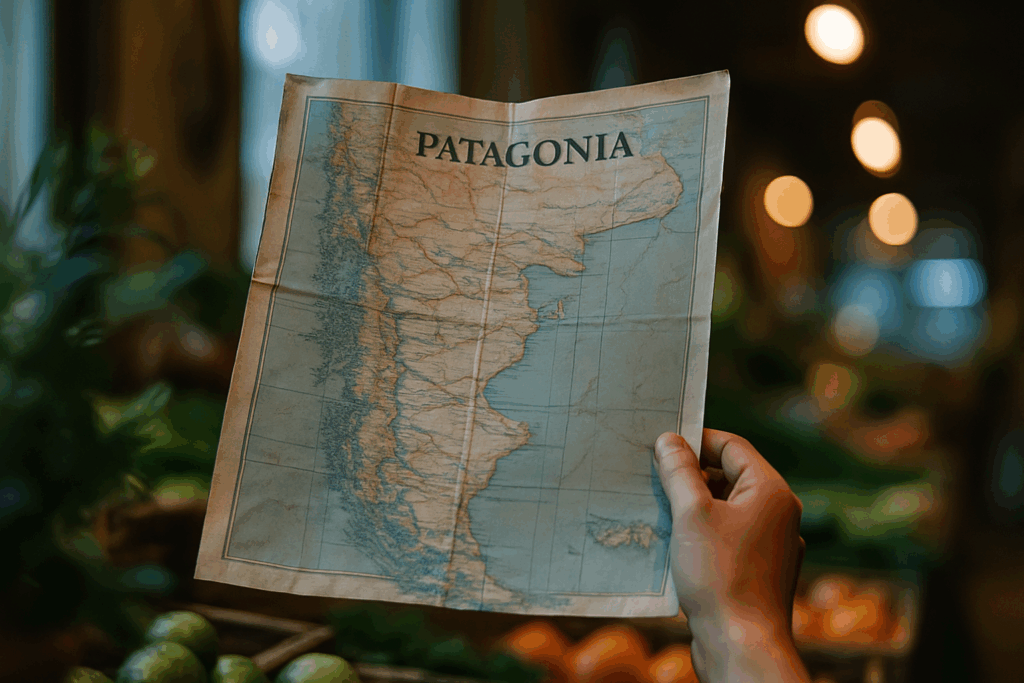
Wild Land, No Filters Needed
Patagonia isn’t just another pretty picture it’s raw, staggering scale. From colossal glaciers to wind sculpted plateaus, this region delivers scenery that humbles you in seconds. And the best part? You don’t need a drone or fancy edit to make it breathtaking.
Nature That Redefines Vast
This is a land where empty stretches feel endless and dramatic backdrops are non stop:
Sprawling glaciers like Perito Moreno seem to stretch beyond the horizon
Wind swept steppe surrounds you with silence and sky
Jagged peaks rise like stone cathedrals, especially at sunrise
There’s no need for filters here the landscape provides the drama.
Must See Parks for the Full Experience
Two iconic parks offer everything an adventurer could want rugged trails, cinematic views, and a rare sense of scale:
Los Glaciares National Park (Argentina): Home to the famous Perito Moreno Glacier and towering Mount Fitz Roy
Torres del Paine National Park (Chile): Known for its granite spires, vivid lakes, and the iconic W Trek
Each park brings its own ecosystems, challenges, and unforgettable moments.
Truly Remote, Genuinely Wild
One of Patagonia’s most powerful qualities is its remoteness. Unlike over trafficked destinations, many of Patagonia’s trails and lookouts are refreshingly uncrowded.
Limited infrastructure means fewer crowds and noise
Hikes often feel like personal experiences not tourist checklists
With minimal human imprint, the wilderness feels untouched
When people say, “disconnect to reconnect,” this is what they mean.
Trekking Heaven
If you’re heading to Patagonia for the real deal, start with the two titans: the W Trek and the O Circuit in Chile’s Torres del Paine National Park. These aren’t strolls they’re multi day, test your resolve kind of hikes. The W covers about 50 miles over 4 5 days, hugging glaciers and climbing into granite cathedrals. The O goes deeper, looping around the backside of the range for a full 8 10 day experience. Fewer people, rawer terrain.
Short on time? You’ve still got options. Laguna de los Tres in El Chaltén and Mirador Las Torres are day hikes with outsized payoffs. These trails give you classic views Fitz Roy’s jagged silhouette or the towers rising like stone spears with just a backpack, strong legs, and a sunrise start headlamp mission.
As for gear: forget fashion. Patagonia’s weather is a moody beast. Think four seasons in one afternoon. Layering isn’t good practice; it’s survival. Base layer should wick, mid layer should insulate, and your shell better block wind like a wall. Always pack rain gear, even if the sun’s shining it won’t be for long.
Patagonia doesn’t care who you are just whether you’re prepared. Respect that, and it’ll give you some of the most rewarding trail days of your life.
Wildlife Encounters You Won’t Forget
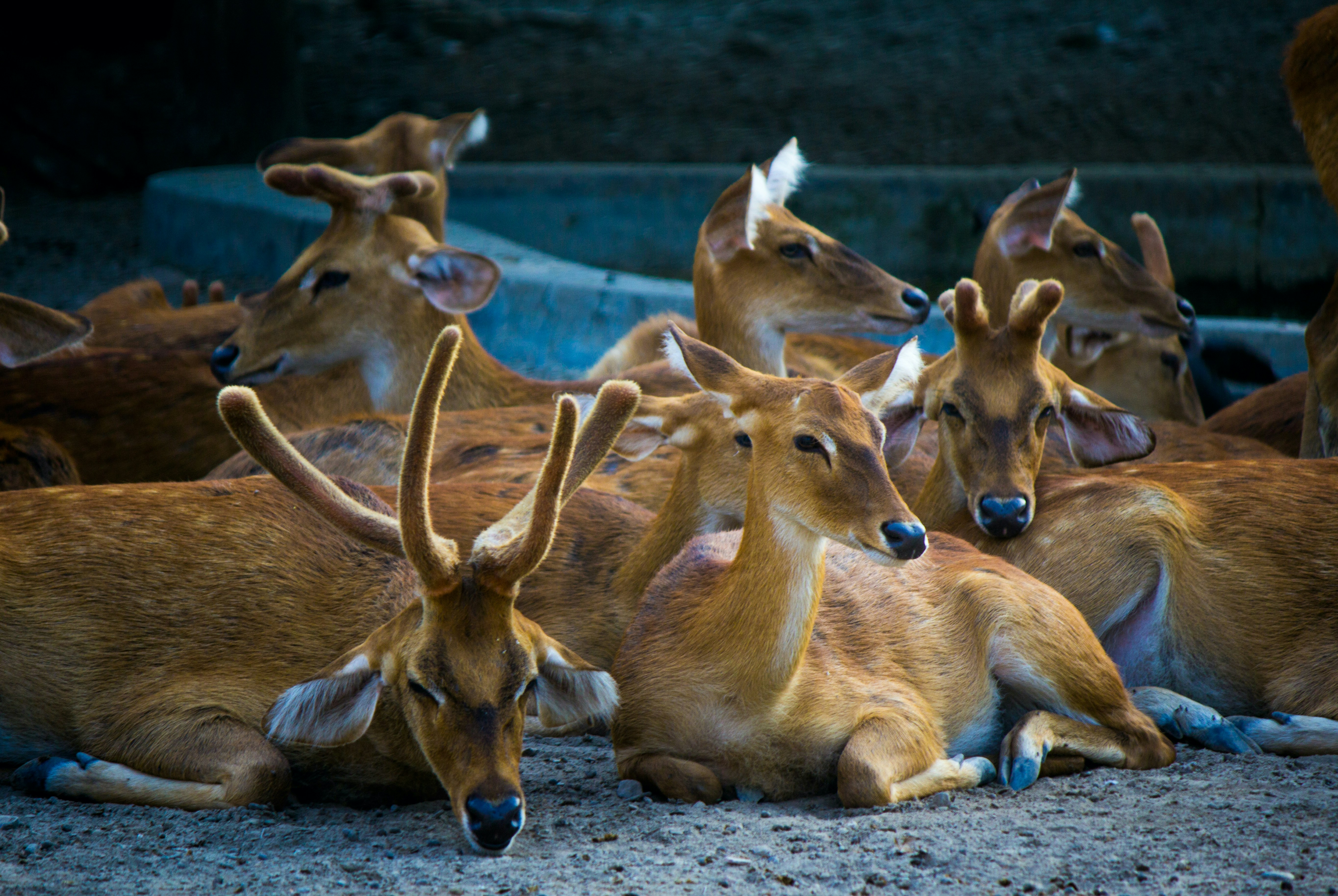
One of Patagonia’s most captivating draws is its wildlife, set against some of the planet’s most dramatic backdrops. This is where nature shows up raw, untamed, and unbothered by crowds.
What You Might See on Land
From the windswept plains to the foothills of glacier fed mountains, Patagonia’s land animals thrive in relative isolation. Keep your lenses ready for:
Guanacos: These wild cousins of llamas are a common sight, often seen roaming in herds across the steppe.
Andean condors: With wingspans of up to 10 feet, these massive birds ride thermal drafts along the cliffs.
Patagonian foxes: Curious and often bold, these mammals make occasional appearances near campsites and roads.
Pumas: Harder to spot, but unforgettable if you do pumas are present in several parks and best seen on early morning treks with experienced guides.
Marine Life Hotspots
For ocean bound wildlife, Patagonia delivers in its own spectacular fashion. The standout destination? Peninsula Valdés in Argentina.
Here, visitors can encounter:
Southern right whales breaching just offshore (seasonal migrations from June to December)
Coastal colonies of Magellanic penguins
Sea lions lounging along the beaches and rocky inlets
Adventure Meets Conservation
Patagonia’s remoteness is part of what keeps its ecosystems thriving but thoughtful tourism plays a major role too.
Eco tourism organizations partner with local communities to protect habitats while offering guided experiences.
Wildlife tours often incorporate educational components, ensuring responsible wildlife viewing and a deeper understanding of environmental stewardship.
For those drawn to wild places and untamed species, Patagonia offers rare and respectful encounters without the glass of a zoo enclosure.
When to Go and How to Get Around
Patagonia is best tackled between November and March the Southern Hemisphere’s summer. During this window, trails are mostly clear, days are longer, and conditions play far more kindly than in the icy shoulder seasons. It’s the sweet spot for both multi day treks and quick hits to bucket list viewpoints.
But don’t mistake summer for simple. Patagonia’s weather is still wild sunshine can turn to sleet in an hour. Roads veer into remoteness fast, and connecting some dots takes more than a rental car. Buses fill up quickly and flights to key gateways like El Calafate or Punta Arenas don’t run on high frequency. Planning ahead isn’t just smart it’s necessary.
For most travelers, getting around means a mix of overland buses, internal flights, and sometimes, guided treks that handle the hard logistics. The region’s scale demands flexibility and a bit of grit. That’s part of the draw. Patagonia doesn’t serve itself up easily you’ve got to earn it.
Beyond the Trail: Culture and Contrast
Rich with Character
Patagonia may feel remote, but it’s far from empty. The region is deeply rooted in tradition, shaped by resilient communities and stark contrast. Explorers who step off the trail encounter:
Sheep farming estancias where gaucho culture is alive and well
Mapuche communities preserving Indigenous heritage and connection to the land
Frontier towns like El Chaltén and Puerto Natales, which serve as cultural crossroads for hikers, locals, and adventurers alike
Each of these encounters adds a human element to the Patagonian experience grounding all that grandeur in real lives and stories.
Adventure Meets Hospitality
After long days on the trail, there’s comfort to be found in Patagonia’s simple, satisfying hospitality:
Asado grills serving perfectly charred meats
Local wines and craft beers that warm you up on cold evenings
Low key lodges and family run hostels that welcome you like an old friend
This region doesn’t sideline comfort it blends it with the wild. Expect fireside dinners, friendly strangers, and unforgettable conversations.
Add Contrast to Your Journey
If your itinerary includes urban stops before or after Patagonia, give yourself the gift of contrast. A wilderness trek feels even more rewarding when bookended by city adventures. For example:
Wander cobblestone streets and sample pastel de nata in Lisbon
Discover unique experiences with this helpful guide: Unforgettable Things to Do in Lisbon for First Time Visitors
Combining nature and culture doesn’t dilute the experience. It gives your adventure dimension and creates a truly unforgettable trip.
No Place Like It, No Better Time
Patagonia’s secret is slipping. Infrastructure is catching up new roads, more flights, easier access but so are the crowds. Compared to other global hotspots, it’s still quiet. But 2026 might be the twilight of its raw, untouched energy. The window to experience Patagonia before it becomes another checkbox on the mass tourism circuit? It’s narrowing fast.
What hasn’t changed is Patagonia itself. There’s nothing halfway about it. The wind is constant, the trails are demanding, and the beauty hits hard. For those chasing challenge over comfort, grit over gloss, this is the place. It’s not just about views it’s about feeling small again, in the best possible way. Whether you’re chasing solitude, depth, or something you can’t quite explain, Patagonia delivers. Every. Single. Time.
 Jesseviell Truong writes the kind of travel guides and tips content that people actually send to each other. Not because it's flashy or controversial, but because it's the sort of thing where you read it and immediately think of three people who need to see it. Jesseviell has a talent for identifying the questions that a lot of people have but haven't quite figured out how to articulate yet — and then answering them properly.
They covers a lot of ground: Travel Guides and Tips, Adventure Travel Ideas, Destination Highlights, and plenty of adjacent territory that doesn't always get treated with the same seriousness. The consistency across all of it is a certain kind of respect for the reader. Jesseviell doesn't assume people are stupid, and they doesn't assume they know everything either. They writes for someone who is genuinely trying to figure something out — because that's usually who's actually reading. That assumption shapes everything from how they structures an explanation to how much background they includes before getting to the point.
Beyond the practical stuff, there's something in Jesseviell's writing that reflects a real investment in the subject — not performed enthusiasm, but the kind of sustained interest that produces insight over time. They has been paying attention to travel guides and tips long enough that they notices things a more casual observer would miss. That depth shows up in the work in ways that are hard to fake.
Jesseviell Truong writes the kind of travel guides and tips content that people actually send to each other. Not because it's flashy or controversial, but because it's the sort of thing where you read it and immediately think of three people who need to see it. Jesseviell has a talent for identifying the questions that a lot of people have but haven't quite figured out how to articulate yet — and then answering them properly.
They covers a lot of ground: Travel Guides and Tips, Adventure Travel Ideas, Destination Highlights, and plenty of adjacent territory that doesn't always get treated with the same seriousness. The consistency across all of it is a certain kind of respect for the reader. Jesseviell doesn't assume people are stupid, and they doesn't assume they know everything either. They writes for someone who is genuinely trying to figure something out — because that's usually who's actually reading. That assumption shapes everything from how they structures an explanation to how much background they includes before getting to the point.
Beyond the practical stuff, there's something in Jesseviell's writing that reflects a real investment in the subject — not performed enthusiasm, but the kind of sustained interest that produces insight over time. They has been paying attention to travel guides and tips long enough that they notices things a more casual observer would miss. That depth shows up in the work in ways that are hard to fake.