
What Makes Arid Landscapes Worth Exploring
Deserts are often misunderstood as barren, lifeless places but for adventurous travelers, they offer some of Earth’s most captivating and humbling experiences. From the silence of a vast dune field to the maze like wonders of a slot canyon, there’s depth and diversity waiting in every arid corner of the globe.
The Stark Beauty and Solitude
One of the most powerful draws of desert landscapes is their unmatched sense of stillness. Wide open horizons, sculpted rock formations, and endless skies offer a rare chance to disconnect and appreciate the simplicity of untouched nature.
Expansive views that feel limitless
A rare quiet that enhances mental clarity
Light play at sunrise and sunset that transforms the terrain
Geological Marvels Shaped by Time
Deserts are geological storytelling arenas, sculpted by wind and time. You’ll encounter formations so unique, they almost seem otherworldly.
Slot canyons: Narrow, winding passageways created by water erosion, perfect for exploration and photography
Sand dunes: Ever shifting structures that showcase the wind’s power and grace
Basin and range topography: Alternating valleys and ridges found in regions like the American Southwest
Resilient Life in Harsh Conditions
Despite the extremes, deserts are far from lifeless. In fact, they’re home to hardy species that have evolved remarkable ways to survive and even thrive.
Flora: Cacti, succulents, and deep rooted shrubs that conserve water and anchor shifting soils
Fauna: Nocturnal animals, insects, lizards, and birds adapted to intense heat and limited resources
Microhabitats: Even within arid zones, small scale ecosystems flourish in surprising places
These details highlight why arid environments deserve a spot on every explorer’s list. Whether you’re moved by nature’s artistry or curious about the science behind survival, deserts offer something uniquely profound.
Essential Planning Before You Go
Timing matters in the desert. The best months to visit most arid regions like the American Southwest, the Atacama, or Wadi Rum are spring and fall. That’s when you avoid the worst heat but still get clear skies and dry trails. In the summer, temperatures can spike past 110°F, and in winter, nights drop below freezing. Plan for extremes always.
The desert is deceptive. Days can scorch, but once the sun dips, temperatures plummet. A 40 degree swing isn’t uncommon. Pack light layers, a thermal for nighttime, and understand that comfort is all about preparation, not guesswork.
Most protected parks and desert regions require permits for backcountry camping or even day hikes in sensitive areas. Know the rules before you go. Trails close unexpectedly due to flash flood risks or conservation efforts. And wherever you go, follow Leave No Trace principles: pack it in, pack it out, don’t carve names into canyon walls. Basic respect goes far out here.
Gear wise, don’t overdo it, but don’t skimp either. A sun hoodie, polarized sunglasses, and high SPF zinc sunscreen are non negotiable. Hydration should be smart: a bladder system plus a backup water filter. Toss in electrolyte tabs too. For navigation, have a GPS unit or app with offline maps connectivity’s a coin toss once you’re deep in the dust. And don’t forget extra batteries. The desert doesn’t forgive dead gear.
Top Arid Destinations Worth Discovering
The American Southwest still holds the crown for classic desert adventure. Utah’s canyons Zion, Bryce, and the lesser known Grand Staircase offer a range of hikes from surreal slot mazes to cliffside scrambles. Arizona’s desert trails, especially those circling Sedona and Saguaro National Park, mix rugged terrain with spiritual stillness. It’s dirt, sun, sweat, and solitude the kind that keeps pulling back explorers year after year.
Cross the Atlantic, and Namibia delivers drama on a different scale. The Skeleton Coast is wild and eerie, with wind blasted shipwrecks and dune fields that stretch into infinity. Sossusvlei, with its bright orange dunes and fossilized trees, looks more like Mars than Earth. And it’s not just scenery; wildlife adapted to extreme conditions roams freely if you know where to look.
On the other side of the world, the Atacama Desert in Chile stakes its claim as the driest place on the planet. It’s brutal on gear and generous on sights shimmering salt flats, lunar valleys, and some of the clearest night skies anywhere. Stargazing isn’t a bonus here; it’s a destination level event.
Wadi Rum in Jordan closes the list with its red rock valleys and vast silence broken only by the footfall of camels or the wind. Known from films like “The Martian” and “Lawrence of Arabia,” it’s cinematic for a reason. The Bedouins who call it home bring a depth of culture to its already expansive landscapes.
For more inspiration beyond these icons, check out Best Countries for Outdoor Adventure Travel in 2026.
The Thrill of Canyon Navigation
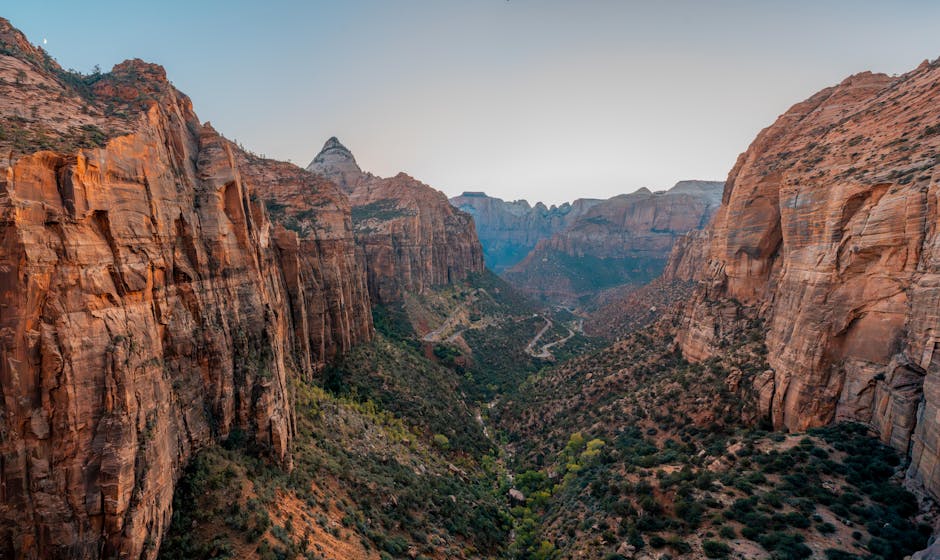
Slot canyons are narrow, dramatic, and wildly photogenic but they aren’t forgiving. Flash floods are the biggest threat. They can hit even when the sky above is blue, triggered by storms miles away. Check weather forecasts before heading out, and never drop into a slot if there’s rain in the region. Carry a rope system if you’re venturing into technical territory; knowing how to rig a basic anchor or assist a partner up a slick rock shelf can be a trip saver.
Navigation is trickier than it looks. GPS devices can lose signal deep in winding corridors, and detailed maps often fall short of on the ground reality. Learn to read the land. Landmarks like rock fins, boulder piles, and wall striations tell a story. Veterans rely on visual memory and analog notes as much as satellite tech.
As for photography, canyon light is a beast of its own. Harsh shadows and glowing highlights fight for attention in tight spaces. Shoot either early or late in the day when the sun is indirect. Manual settings are your friend bracketing exposures or using HDR helps manage contrast. A small tripod goes a long way if the light is low and the shot is worth slowing down for.
Preparing for the Desert’s Extremes
Desert terrain doesn’t play nice. It tests every part of your gear, your judgment, and your body. Staying hydrated isn’t just about chugging water it’s about managing electrolytes. Sweat drains sodium and potassium fast, and without enough of both, your muscles and brain suffer. Pack a mix of water and electrolyte tabs or powders. Aim for at least a gallon per day, per person in desert conditions. If you’re hauling your own supply, weight and storage matter collapseable containers and smart hydration packs go a long way.
Layering is your second shield. Mornings and nights can hit close to freezing, while midday sun scorches. Go with light base layers, a windproof outer layer, and a sun hat with real coverage. Arm sleeves and neck gaiters handle UV exposure better than sunscreen alone and don’t wear off with sweat.
Then there’s sand. Sandstorms come fast, and even a stiff breeze can turn gravel trails into skin scraping corridors. Goggles beat sunglasses on bad days, and a lightweight scarf or buff keeps sand out of your nose and mouth. Boots matter too low cut runners fill up fast, so bush style gaiters or mid cut hikers can save your feet when fine grains work their way in. When terrain turns to shifting dunes or rugged rock, slow down, plan every step, and don’t expect cell service. Out here, self reliance isn’t a slogan it’s the only way through.
Arid Adventures That Give Back
Deserts might look empty, but they hold deep cultural roots and fragile ecosystems. If you’re heading into these regions, it’s not just about taking in the views it’s about giving back the right way.
Start by traveling with intention. Many desert communities depend on tourism, but not all tourism is equal. Skip the big box travel companies and instead book local. Whether it’s a Bedouin run camp in Wadi Rum or a Navajo guided hike through Antelope Canyon, supporting these groups ensures your spending stays local and respects the heritage that shaped the land.
Volunteering is another way to make your trip meaningful. From joining habitat restoration efforts in Joshua Tree to helping monitor rare plant growth in the Namib Desert, there are low barrier ways to pitch in. These projects might not be glamorous, but they’re crucial.
Finally, pick your guides and operators carefully. Look for those who follow Leave No Trace principles, limit group sizes, and educate visitors not just entertain them. Eco conscious doesn’t mean bare bones; it means thoughtful. You’ll still get the experience, just without the footprint.
When you explore arid spaces with care, you help protect the places that make these adventures worth having.
Arid Landscapes, Limitless Perspective
There’s something about wide open desert landscapes that strips the noise out of your brain. No cars. No skyscrapers. Just space. Endless, quiet, sometimes harsh but honest. That kind of silence forces you to be present. It’s not relaxation in the soothing sense. It’s clarity born from exposure. The sand doesn’t care who you are, and that’s freeing.
Moving through the desert isn’t just a physical journey it builds grit. Each mile takes effort. Each canyon asks something of you. Heat wears you down, and so does wind, but you find a rhythm. You push through. You learn how capable you actually are. With every minor hardship blisters, dry mouth, a wrong turn you earn a layer of perspective that doesn’t fade when you get back to regular life.
Canyon shadows and open dunes change how you understand scale, both of the landscape and of your own problems. In places where survival depends on planning, awareness, and humility, travel stops being escape and becomes transformation. There’s beauty in that hard won shift, and a kind of peace you carry with you long after the dust has washed off.
 Ask Joseph Justusavos how they got into maps and navigation tools and you'll probably get a longer answer than you expected. The short version: Joseph started doing it, got genuinely hooked, and at some point realized they had accumulated enough hard-won knowledge that it would be a waste not to share it. So they started writing.
What makes Joseph worth reading is that they skips the obvious stuff. Nobody needs another surface-level take on Maps and Navigation Tools, Travel Guides and Tips, Destination Highlights. What readers actually want is the nuance — the part that only becomes clear after you've made a few mistakes and figured out why. That's the territory Joseph operates in. The writing is direct, occasionally blunt, and always built around what's actually true rather than what sounds good in an article. They has little patience for filler, which means they's pieces tend to be denser with real information than the average post on the same subject.
Joseph doesn't write to impress anyone. They writes because they has things to say that they genuinely thinks people should hear. That motivation — basic as it sounds — produces something noticeably different from content written for clicks or word count. Readers pick up on it. The comments on Joseph's work tend to reflect that.
Ask Joseph Justusavos how they got into maps and navigation tools and you'll probably get a longer answer than you expected. The short version: Joseph started doing it, got genuinely hooked, and at some point realized they had accumulated enough hard-won knowledge that it would be a waste not to share it. So they started writing.
What makes Joseph worth reading is that they skips the obvious stuff. Nobody needs another surface-level take on Maps and Navigation Tools, Travel Guides and Tips, Destination Highlights. What readers actually want is the nuance — the part that only becomes clear after you've made a few mistakes and figured out why. That's the territory Joseph operates in. The writing is direct, occasionally blunt, and always built around what's actually true rather than what sounds good in an article. They has little patience for filler, which means they's pieces tend to be denser with real information than the average post on the same subject.
Joseph doesn't write to impress anyone. They writes because they has things to say that they genuinely thinks people should hear. That motivation — basic as it sounds — produces something noticeably different from content written for clicks or word count. Readers pick up on it. The comments on Joseph's work tend to reflect that.