
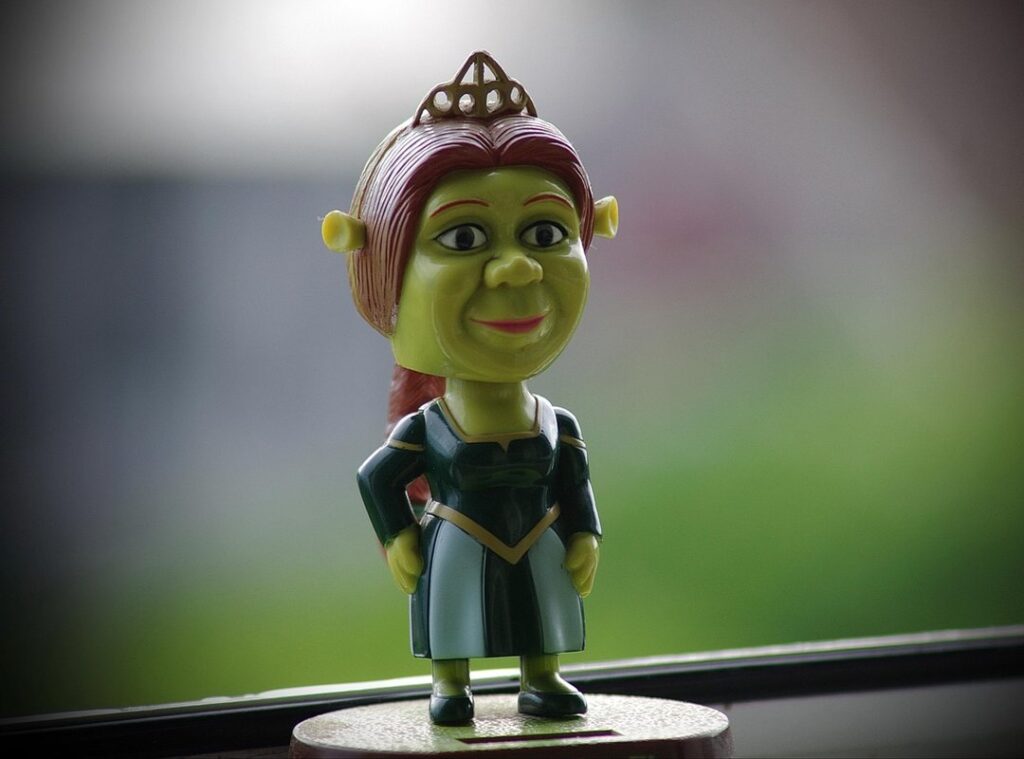
You might be surprised to know that a Dutch slang term, manwijf, has become linked with Princess Fiona from the movie Shrek. What does this term actually mean, and why do people connect it to such a beloved animated character? This article will dive into the definition of manwijf.
We’ll explore Fiona’s character traits that align with the term. And we’ll discuss the broader cultural conversation about gender roles in fairytales. By the end, you’ll have a clear understanding of this unique pop culture crossover.
What Does ‘Manwijf’ Actually Mean?
Let’s get straight to it. The Dutch word manwijf literally translates to “man-wife.” Sounds simple, right? But it’s not.
In the Netherlands and Belgium, manwijf is often used as a pejorative or derogatory term. It’s thrown at women who are seen as acting “unladylike” or possessing what some consider masculine traits.
Think about it. If you’re a woman who’s loud, assertive, physically strong, or doesn’t conform to traditional beauty standards, you might hear this word.
It’s frustrating, isn’t it? (I mean, seriously, why should anyone be judged for being themselves?)
Historically, manwijf was used to enforce societal gender norms. It was a way to keep women in line, to make sure they stayed within the narrow confines of what was considered “appropriate” behavior.
But here’s the thing. In modern, informal usage, the term can sometimes be less harsh. Still, it carries negative weight.
It’s like when people use “manwijf Shrek” to describe a woman who’s tough and no-nonsense.
Even if the tone is lighter, the underlying message is still there. It’s a reminder that we’ve got a long way to go in terms of accepting and celebrating diverse expressions of femininity.
Why Princess Fiona is Labeled a ‘Manwijf’
Princess Fiona in Shrek is no ordinary princess. She’s got a personality that’s as bold as her ogre form. Let’s dive into why she’s often called a manwijf.
Fiona’s martial arts skills are LEGENDARY. Remember when she single-handedly defeats Robin Hood and his Merry Men? That scene alone shows she can handle herself in a fight.
No need for a knight in shining armor here.
Her personality? Direct, assertive, and often sarcastic. This contrasts sharply with the demure, passive princesses of classic fairytales.
Fiona isn’t afraid to speak her mind and call out nonsense when she sees it.
Physical strength? Check. She doesn’t care much for ‘proper’ etiquette either.
The burping contest with Shrek is a perfect example. She’s not just competing; she’s winning and enjoying every second of it.
Fiona’s independence and ability to rescue herself challenge the traditional ‘damsel in distress’ trope. She’s not waiting for someone to save her. Instead, she’s saving herself and others along the way. manwijf shrek
In many ways, Fiona embodies what some might label a manwijf shrek. She’s strong, independent, and unapologetically herself. And that’s exactly why she stands out.
Beyond the Label: How Fiona Redefined the Fairytale Princess

Fiona in Shrek is a game-changer. She’s not your typical princess, and that’s exactly why she’s so important.
Let’s talk about the “manwijf shrek” label. It’s a term that’s often used to criticize her for being too strong or too independent. But those traits are what make her stand out.
She’s competent, strong, and authentic. These aren’t negative qualities. They’re signs of a well-rounded, empowered character.
Fiona’s character arc is all about self-acceptance. She chooses to embrace her true ogre form over a conventional human one. This decision is huge.
It shows that she values her true self more than fitting into a traditional mold.
Compare her to classic Disney princesses like Cinderella or Snow White. Those characters often wait for a prince to save them. Fiona, on the other hand, is her own hero.
She has agency and abilities that set her apart.
Fiona provided a new, more relatable role model. She showed that a princess could be strong, flawed, and still be a hero. Her journey resonates with many because it’s real and honest.
In a world where princesses are often portrayed as perfect and passive, Fiona is a breath of fresh air. She’s a reminder that strength and independence are just as valuable as grace and beauty.
The Modern View on Strong Female Characters
I remember when Shrek came out in 2001. Fiona was a breath of fresh air, but not everyone saw it that way. Manwijf Shrek—a term used to criticize women for breaking gender norms—was thrown around a lot.
Times have changed. Today, the traits that once made Fiona a target are celebrated as signs of empowerment. It’s like we’ve finally caught up with her.
Fiona isn’t alone. She’s part of a legacy of strong female protagonists who defy stereotypes. Think of Katniss Everdeen from The Hunger Games or Wonder Woman.
They all share a common thread: they reject outdated expectations.
Interestingly, the term manwijf is being re-contextualized by fans. It’s now used to celebrate Fiona’s strength and independence. Language evolves, and so do cultural attitudes.
What was once a criticism is now a badge of honor.
Fiona’s Enduring Legacy: More Than Just a Label
manwijf shrek is a term used to describe a ‘mannish woman.’ This label is applied to Fiona because of her strength and independence. These traits are not flaws; they are the very reason she remains a powerful and beloved character. Fiona’s true legacy lies in demonstrating that embracing your authentic self is more important than conforming to any restrictive label.
 Jesse B. writes the kind of travel guides and tips content that people actually send to each other. Not because it's flashy or controversial, but because it's the sort of thing where you read it and immediately think of three people who need to see it. Jesse has a talent for identifying the questions that a lot of people have but haven't quite figured out how to articulate yet — and then answering them properly.
They covers a lot of ground: Travel Guides and Tips, Adventure Travel Ideas, Destination Highlights, and plenty of adjacent territory that doesn't always get treated with the same seriousness. The consistency across all of it is a certain kind of respect for the reader. Jesse doesn't assume people are stupid, and they doesn't assume they know everything either. They writes for someone who is genuinely trying to figure something out — because that's usually who's actually reading. That assumption shapes everything from how they structures an explanation to how much background they includes before getting to the point.
Beyond the practical stuff, there's something in Jesse's writing that reflects a real investment in the subject — not performed enthusiasm, but the kind of sustained interest that produces insight over time. They has been paying attention to travel guides and tips long enough that they notices things a more casual observer would miss. That depth shows up in the work in ways that are hard to fake.
Jesse B. writes the kind of travel guides and tips content that people actually send to each other. Not because it's flashy or controversial, but because it's the sort of thing where you read it and immediately think of three people who need to see it. Jesse has a talent for identifying the questions that a lot of people have but haven't quite figured out how to articulate yet — and then answering them properly.
They covers a lot of ground: Travel Guides and Tips, Adventure Travel Ideas, Destination Highlights, and plenty of adjacent territory that doesn't always get treated with the same seriousness. The consistency across all of it is a certain kind of respect for the reader. Jesse doesn't assume people are stupid, and they doesn't assume they know everything either. They writes for someone who is genuinely trying to figure something out — because that's usually who's actually reading. That assumption shapes everything from how they structures an explanation to how much background they includes before getting to the point.
Beyond the practical stuff, there's something in Jesse's writing that reflects a real investment in the subject — not performed enthusiasm, but the kind of sustained interest that produces insight over time. They has been paying attention to travel guides and tips long enough that they notices things a more casual observer would miss. That depth shows up in the work in ways that are hard to fake.