
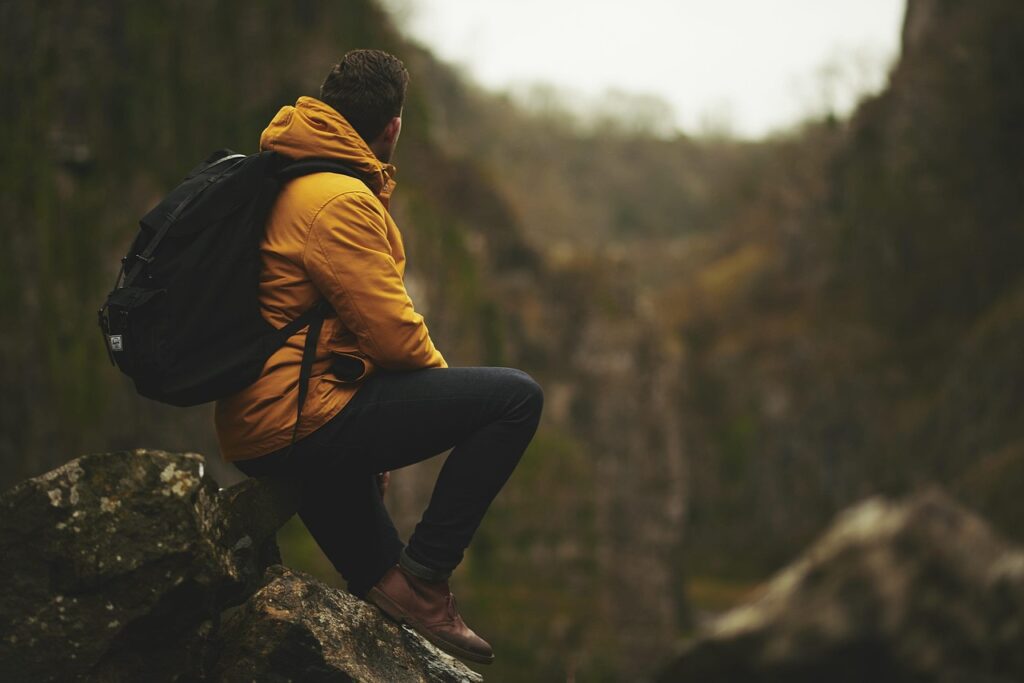
Everest Base Camp, Nepal
The Iconic Himalaya Experience
Trekking to Everest Base Camp is a rite of passage for adventure lovers. At 5,364 meters, it brings you face to face with some of the world’s most majestic peaks and the resilient culture of the Sherpa people. It’s not just a physical journey; it’s a deep dive into nature, heritage, and human endurance.
Key Trekking Info
Elevation: 5,364 meters
Best Time to Go: March May, September November
Route Insight: Follows the Khumbu Valley through Namche Bazaar, Tengboche, and Gorak Shep to the base camp of Everest
Highlights
Unrivaled views of Everest, Lhotse, and Ama Dablam
Warm hospitality in traditional Sherpa villages
Ancient monasteries, prayer wheels, and Buddhist culture along the trail
Variety of lodging options from teahouses to basic guesthouses
Essential Tips for Success
Acclimatize wisely: Spend rest days at key altitudes to let your body adjust. Altitude sickness is real and shouldn’t be taken lightly.
Pack light but smart: Bring high quality layers and broken in boots. Every extra kilo counts at high elevation.
Physical preparation matters: Train with cardio and hiking practice months in advance.
This trek will push your limits but the mental clarity and alpine serenity you gain make every step worthwhile.
Torres del Paine “W” Trek, Chile
The “W” Trek earns its name from the trail’s shape as it weaves through the rugged spine of Patagonia’s most iconic park. This 80 kilometer route takes about 4 5 days to complete, cutting through a glacial and alpine wonderland that includes turquoise lakes, massive icefields, and the jagged granite towers that define the region.
You’ll hike past Grey Glacier, through the French Valley, and right up to the base of the Paine towers themselves if the weather plays nice. Along the way, choose between roughing it at designated campsites or bunking in cozy, full board refugios. Either way, you’ll share trails and stories with fellow wanderers from around the globe.
This trek is ideal for intermediate level hikers looking for a wild, intensely scenic experience without going fully off grid. Solid fitness is a must, but no technical climbing is required. Just pack for wind, rain, and the occasional jaw drop.
The Laugavegur Trail, Iceland
Iceland doesn’t do boring and the Laugavegur Trail proves it. This 55 kilometer trek cuts through a bizarre, beautiful mix of volcanic valleys, obsidian lava fields, neon moss, steaming hot springs, and rainbow colored rhyolite mountains. It takes most trekkers 3 to 4 days, but leave some buffer room. Not because it’s hard (though parts can be), but because you’ll want to pause and soak it all in.
Time it right. July and August give you almost endless daylight, thanks to the midnight sun. That means more time to hike, linger, and not panic if you’re slow out of camp in the morning. But don’t let the summer window fool you. Out there, you can get sun, sleet, sideways rain, and a freak snowstorm all in one day. Layer up, stay light, and don’t underestimate the wind.
No matter your pace, by the end, you’ll feel like you’ve hiked across five planets. And in a way, you have.
Mount Kilimanjaro, Tanzania
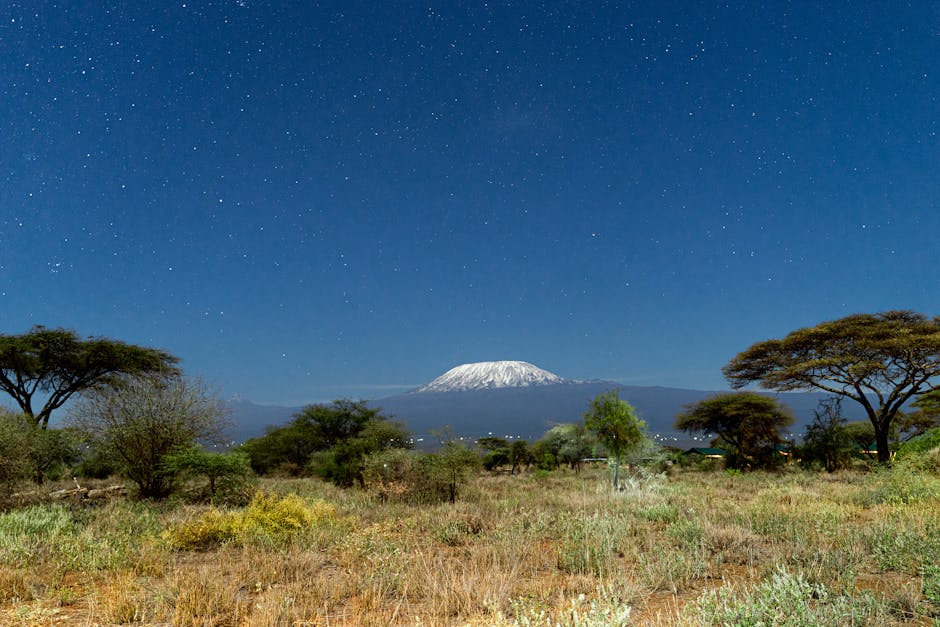
Towering at 5,895 meters, Mount Kilimanjaro is Africa’s highest peak and one of the most iconic trekking destinations in the world. This dormant volcano draws adventurers from across the globe, offering a challenge that’s as mental as it is physical.
Key Highlights
Elevation: 5,895 meters (19,341 feet)
Region: Tanzania, East Africa
Trek Duration: 5 9 days depending on chosen route
Why Go: High altitude achievement, diverse ecological zones, and once in a lifetime summit views
Trekking Routes
Mount Kilimanjaro offers various routes suited to different experience levels:
Machame Route Often called the “Whiskey Route,” this is the most scenic and popular option. It’s steeper but well worth it for the variety of landscapes and panoramic views.
Marangu Route Known as the “Coca Cola Route,” it’s considered easier due to its gradual slope and hut accommodations. A solid choice for first time high altitude hikers.
Other Routes Lemosho, Rongai, and Northern Circuit trails offer alternative experiences with fewer crowds and higher success rates.
What to Expect
Trekking through five climate zones from rainforest to alpine desert to arctic summit
No technical climbing skills required, but altitude acclimatization is crucial
Experienced guides are mandatory and enrich the journey with local knowledge
Who It’s For
Hikers and climbers looking for a world class high altitude challenge
Bucket listers who want to stand on the roof of Africa
Nature lovers seeking dramatic scenery, exotic wildlife, and cultural immersion
Mount Kilimanjaro isn’t just a trek it’s a transformative experience that tests your endurance and rewards you with unmatched views and personal triumph.
The Dolomites Alta Via 1, Italy
The Alta Via 1 is a premier trekking route through Italy’s magnificent Dolomite mountain range. Spanning approximately 120 km, this point to point trail offers not only breathtaking alpine scenery but also rich cultural experiences and creature comforts rare in high altitude hikes.
Quick Facts
Length: 120 kilometers
Duration: Typically completed in 10 days
Trail Type: Point to point
Difficulty level: Moderate, with some steep and rocky sections
Stay in Style: Rifugios on the Trail
Unlike more rugged treks that require tents and freeze dried meals, the Alta Via 1 lets you stay in cozy mountain huts, known as “rifugios”. These refuges offer:
Warm beds and hot showers
Hearty home cooked meals
Stunning mountain views from your window
This unique accommodation allows trekkers to travel light while enjoying a touch of comfort after long hiking days.
Scenery and Terrain
You’ll navigate a diverse range of landscapes:
Jagged limestone peaks
Forested valleys
Open alpine meadows
Serene mountain lakes
While technically non technical, the trail demands a good fitness level due to its multiple ascents and descents.
A Culinary Adventure in the Clouds
One of the best surprises of this trek? The incredible Italian cuisine at altitude:
Homemade pastas and polenta
Fresh mountain cheeses and cured meats
Locally sourced wine and espresso to finish off your meals
Why Add It to Your List?
This trek blends natural beauty, cultural charm, and physical challenge into a truly memorable adventure. For hikers looking to immerse themselves in alpine scenery without sacrificing comfort or taste, the Alta Via 1 delivers a perfect balance.
Annapurna Circuit, Nepal
The Annapurna Circuit isn’t a tourist trail it’s a rite of passage. Stretching between 160 to 230 kilometers depending on where you start and finish, this is mountain trekking at its finest. You begin in lowland villages surrounded by rice paddies and end up walking through barren alpine landscapes that look like something off a satellite image. The scenery shifts, the altitude climbs, and somewhere along the way, your priorities usually change.
At 5,416 meters, Thorong La Pass is both a physical and mental summit. It’s long, it’s high, and on some mornings, it feels like the wind is trying to push you off the planet. But it’s also unforgettable. You’ll cross suspension bridges, stay in tea houses run by families who’ve been hosting travelers for generations, and possibly spend nights under skies so clear they don’t look real.
This trail has soul. It’s demanding, but not elite level exclusive. If you come prepared with the right gear, enough conditioning, and the humility to take it slow you’ll see why this route has earned its cult status among trekkers.
The John Muir Trail, USA
Spanning 211 miles through California’s High Sierra, the John Muir Trail is a raw, no frills trek that sticks with you well after the dust clears. It cuts straight through the heart of Yosemite, Kings Canyon, and Sequoia National Parks some of the most dramatic wilderness in the U.S. This trail isn’t about speed. It’s about soaking it in: towering granite peaks, glacier fed lakes, high alpine passes that stretch your lungs and quiet your thoughts.
What sets the JMT apart isn’t just its scenery it’s the rhythm. The days fall into a steady pattern of walk, rest, repeat. It forces you to slow down, strip back distractions, and stay present. That’s rare. And needed. Especially now.
If you’re doing the full trail, planning is essential. Permits book out months ahead. Conditions can change fast, especially in September. And even though it starts and ends in remote places, there’s a way to make the most of your passage through California: tack on a smartly routed road trip before or after. Check out How to plan a world class road trip across the USA for tips on dialing it in.
The John Muir Trail doesn’t just take you through wild terrain it gives you the space to reset. And maybe that’s what 2026 is asking for: less noise, more clarity.