
The Power of Immersion
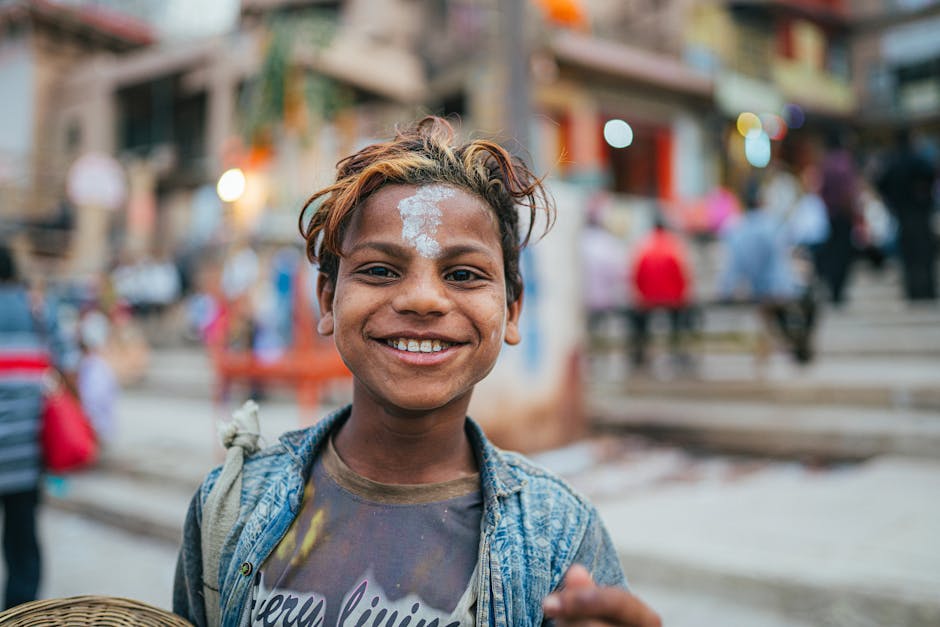
If you want to understand a place quickly and deeply, go to one of its festivals. They cut through surface level tourism and drop you into the heart of local life. At a good festival, you’re not just looking you’re tasting, moving, listening. You’re shoulder to shoulder with people who live the culture every day.
Unlike checking off landmarks or snapping photos of famous statues, festivals demand participation. You eat the food locals grew up with, hear music that’s been passed down for generations, and feel the heartbeat of community through rituals, dances, and stories. It’s not staged it’s real. There’s no better way to catch the rhythm of a place than being there when everyone lets loose, celebrates, or honors something meaningful.
Festivals aren’t one size fits all either. A harvest celebration in the Andes feels nothing like a fire festival in southern Japan or a jazz parade in New Orleans but every one of them reveals something essential about who lives there and how they see the world. That’s the shortcut: not because it’s easy, but because it’s honest. Show up open, and you’ll leave changed.
Cultural Access You Can’t Find in Guidebooks
The beauty of local festivals isn’t just in the music or the setting it’s in what they quietly reveal. Traditional dances aren’t just for show; they’re often stories in motion, passed down through generations. Whether it’s a barefoot circle dance under lanterns or a warrior inspired performance at dusk, these rituals tell you what matters to a community.
Storytelling, too, holds real weight. In many places, festivals are the last living stage for oral history. Folk tales performed live sometimes sung, sometimes acted out alongside drums or flutes offer a glimpse into collective memory long before tourist brochures existed.
Then there’s the stuff most travelers never see: the morning hours before it all kicks off. Preparing harvest offerings, weaving the garlands, shaping ceremonial crafts. In some regions, you may stumble into a rural football match that’s been held the same way for 50 years, or a fierce tug of war that settles village pride. These moments connect you not just to the event, but to the pulse of a place.
Even in cities, festivals often open backdoors into hidden neighborhoods and subcultures. Community run parades, rooftop performances, and street theater collectives pop up where you’d least expect. It doesn’t matter if you’re in a mountain village or a capital city if you’re paying attention, festivals will show you the soul of a place. No tour guide required.
Local Flavor: Food as a Cultural Anchor
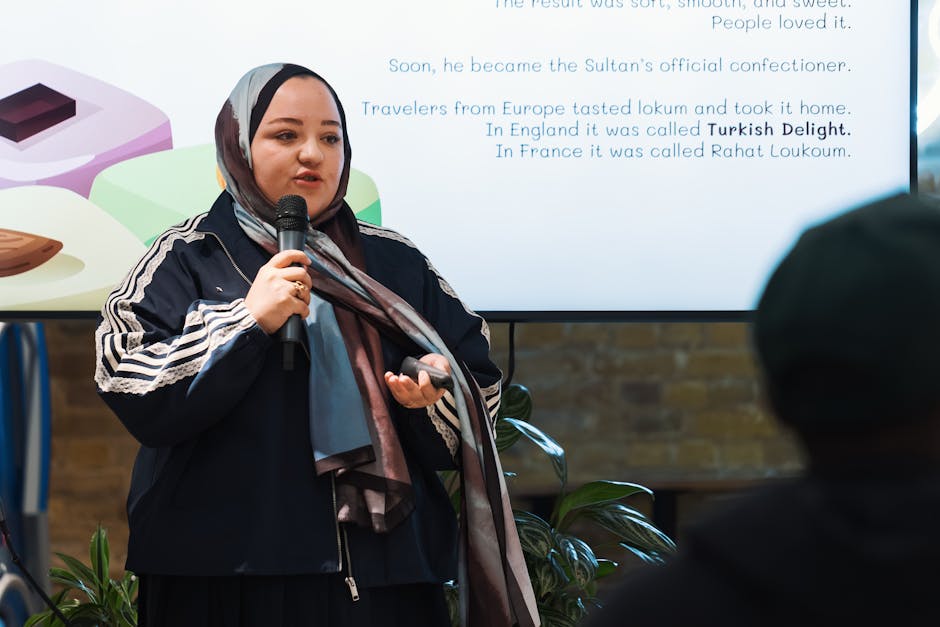
You can tell a lot about a place by what’s cooking in its festival stalls. Think skewered meats sizzling over charcoal in the Philippines, buttery crêpes folded on the streets of Brittany, or lentil stews slow cooked in highland Ethiopia. This isn’t just food it’s centuries of migration, trade, and tradition plated up in real time.
Festival cuisine goes deeper than taste. It reflects what people grow, what they trade for, and how they’ve adapted over generations. That rice cake wrapped in banana leaf? That might stem from harvest rituals. The tangy spice blend in a grilled sausage? Possibly a leftover footprint of colonial influence or maritime exchange.
But the real magic is in the dishes that never make it to restaurants. Grandma’s pork stuffed bun she only makes during Lunar New Year. That fried dough treat that only pops up at one annual spring fair. These are fleeting, local, and unforgettable. You won’t find them on a TripAdvisor list, but they shape the taste memory of a whole region.
For more on where to eat while you explore, check out Top Culinary Travel Destinations for Food Lovers.
Smarter Travel Planning with Festivals in Mind
Planning your travels around local festivals isn’t just rewarding it’s strategic. But finding events worth your time takes more than a quick Google search. Start by checking local tourism boards and city event calendars. They’re often underestimated but usually the first to list major and minor events. Don’t sleep on social media either search region specific hashtags or local creators who post about upcoming festivals weeks in advance. Reddit and local Facebook groups aren’t glamorous, but they’re gold mines for lesser known, authentic experiences.
Once you’ve picked a festival, participate with intention. Learn about the cultural significance before you go. Ask questions when appropriate, but recognize when it’s time to just listen and observe. Attire matters too check if there’s a dress code or color to avoid. Respect isn’t complicated, but it takes a little prep.
As for booking: don’t wait. Festival accommodation especially in smaller towns disappears fast. Aim to lock in a place three to six months in advance. If the festival is tied to religious dates or seasonal markers, expect crowds and plan early. This isn’t just about logistics it’s about being present when you arrive, instead of scrambling to figure things out. Smart planning means you’ll spend less time worrying and more time truly immersed.
Why It Matters in 2026
A Shift Toward Meaningful Travel
Travelers in 2026 are looking for more than just picture perfect destinations they want purpose driven journeys. As global awareness around sustainability and cultural sensitivity grows, tourism is evolving. The most valued experiences now are those that feel honest, grounded, and enriching.
Tourists are increasingly prioritizing cultural respect and environmental responsibility
There’s a growing interest in slow travel and deeper, local engagement
Many travelers now plan their itineraries around meaningful cultural encounters
Festivals Preserve and Empower
Local festivals aren’t just celebrations they are living expressions of culture. Many communities use them not only to showcase their heritage, but also to protect it. By participating responsibly, travelers contribute to this preservation.
Festivals help pass traditions down to younger generations
Cultural events bring visibility and income to artisans, farmers, and performers
They foster pride and cohesion within marginalized or smaller communities
Authenticity as a Travel Priority
Modern travelers are turning away from generic tourist traps in search of something real. Experiences that connect them with genuine traditions and local voices stand out the most and local festivals naturally provide that.
Authenticity is becoming the most sought after travel experience
Travelers want to feel welcomed, not marketed to
Local festivals offer unscripted moments that can’t be replicated elsewhere
In an era where meaningful experiences matter more than souvenirs, festivals offer one of the most direct paths to authenticity, connection, and cultural respect.